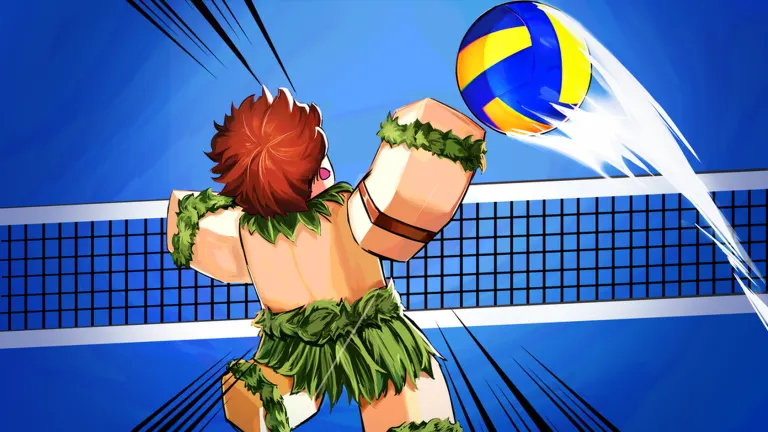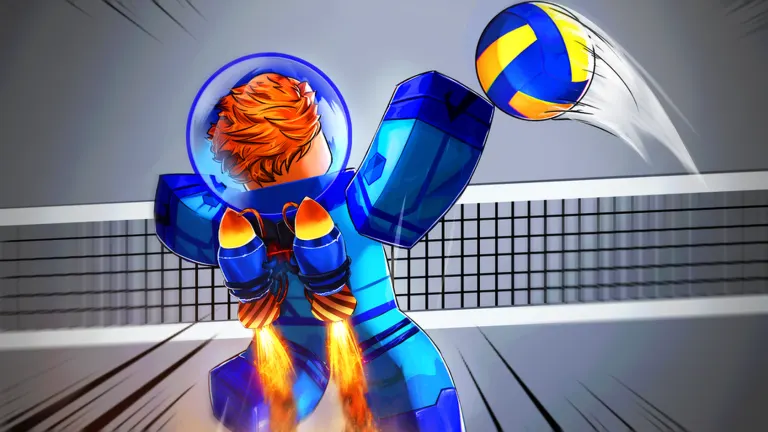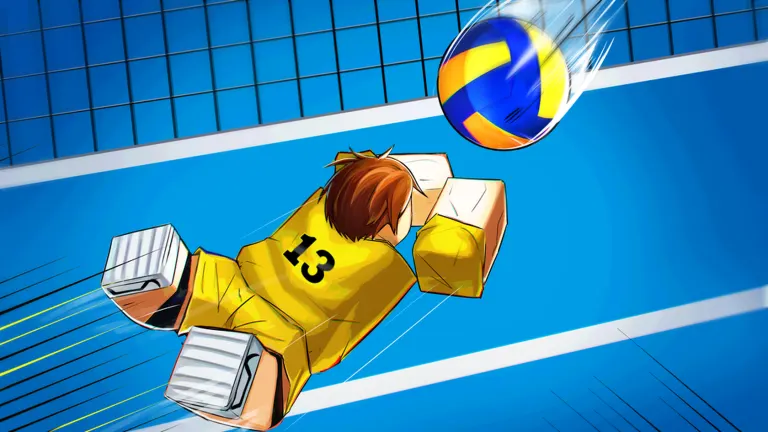
How Encho Quests Unlock Upgrades
Encho's Ranked quests award the six Skill Points used to upgrade its Speed, Strength, and Range paths. Each completed quest gives one point, making these objectives the route to a fully allocated skill tree. Knowing the win requirements and upgrade tradeoffs helps you decide how much Ranked play to plan for and where those points should go.
ENCHO is a limited Evo style introduced in Update 63 on March 28, 2026. Its progression differs from Ultra styles: Ultra styles improve through Mastery levels, while Encho uses quest-earned points that you distribute across a skill tree. Players sometimes call this progression “mastery,” but Skill Points are the relevant upgrade resource.
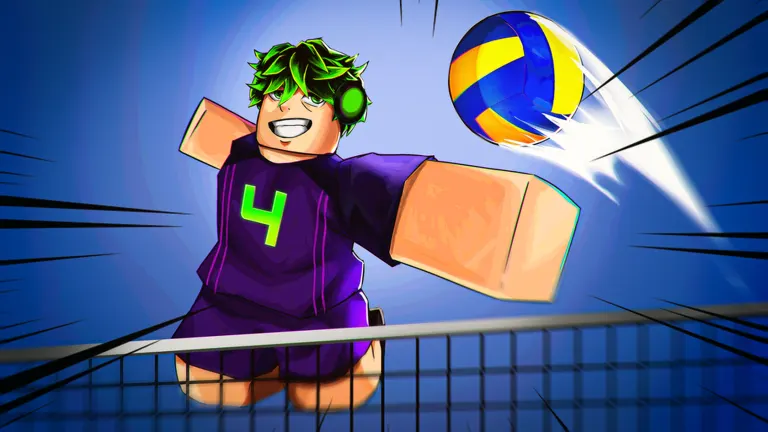
The style's defining mechanic is Stretch. While you remain airborne, Encho's arms extend farther, increasing the reach of airborne actions. This applies to blocks, jump sets, and spikes. Your upgrade choices build on that mechanic, so completing quests matters for more than improving a basic stat.
Obtaining Encho and upgrading it are separate steps. Evo styles require Level 15 to obtain, and Encho has appeared during limited availability windows. Completing its Ranked quests awards upgrade points; it does not unlock the style itself. If you already own Encho, the important progression limit is six points total, regardless of how you divide them.
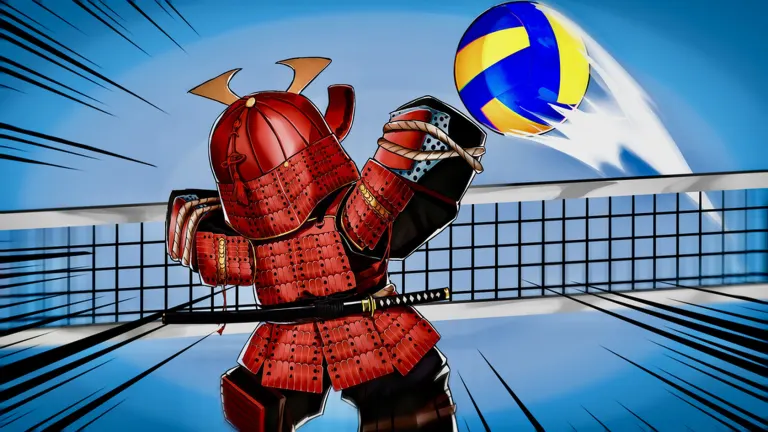
Ranked Quest Requirements and Skip Costs
Encho has six listed Ranked quests, each tied to a win requirement. The objectives specify wins, so simply finishing matches does not satisfy them. Casual victories also fall outside the listed Ranked requirements.
The Encho wiki page lists the following objectives and individual Robux skip prices:
| Quest | Ranked win objective | Skill Point reward | Skip price |
|---|---|---|---|
| 1 | Win 15 Ranked games | 1 point | 99 Robux |
| 2 | Win 35 Ranked games | 1 point | 199 Robux |
| 3 | Win 75 Ranked games | 1 point | 299 Robux |
| 4 | Win 125 Ranked games | 1 point | 499 Robux |
| 5 | Win 175 Ranked games | 1 point | 799 Robux |
| 6 | Win 250 Ranked games | 1 point | 999 Robux |
Skipping all six quests costs 2,894 Robux. That figure covers the six listed quest skips. Obtaining Encho through spins and resetting an existing point allocation are separate expenses.
Before planning your grind, keep these distinctions clear:
- The largest listed objective is 250 Ranked wins. Win carryover between successive quests has not been officially confirmed.
- Six quests provide six points. You must divide that allowance among the upgrade paths.
- Each skip has its own price. Use the price of your remaining objective when judging the cost.
- Match completion is insufficient. Track victories when estimating your progress.
Avoid treating the six numbers as a guaranteed cumulative schedule. Check the objective and progress displayed in your game before deciding how many additional wins you need.
How to Make Steady Ranked Progress
Because every listed objective requires winning, your practical goal is to improve match results consistently. Individual spike totals, blocks, or sets are not listed as quest requirements. A spectacular play only helps the grind when it contributes to a victory.
Use a short progress check before committing to a long session:
- Identify your active objective. Record the displayed requirement and your current progress.
- Play a Ranked match. The listed quests specifically require this mode.
- Check progress after a victory. Confirm that the result advanced the objective you are following.
- Review your point total after completion. Keep track of how many of the six points you have earned and allocated.
- Choose the next upgrade deliberately. Consider the full build before spending another point.
Whether Encho must be equipped for every qualifying win, and how different Ranked queue formats contribute, has not been officially confirmed. If you are testing either condition, check progress after one victory before investing a full session.
On the court, practice the timing that makes Stretch useful. Encho gains reach as airborne time increases, so jumping and immediately contacting the ball does not demonstrate its full extension. Watch how your available reach changes during a jump, then apply that understanding to the action your team needs.
Stretch supports several roles. You can use its extended reach for a block, a jump set, or a spike rather than forcing every possession into an attack. That flexibility gives you more ways to contribute while pursuing win-based objectives.
Where to Spend Your Six Skill Points
Encho's skill tree offers three directions. Each path develops a different part of the style, with a named cosmetic and gameplay upgrade at its upper end. A complete allocation uses six points, so consider both the benefit of your main path and the weaknesses your remaining points can address.
| Path | Main focus | Named upper upgrade |
|---|---|---|
| Speed | Movement speed improvements | Lightning Blocks |
| Strength | Spike-focused improvements | Metal Glove Spikes |
| Range | Setting improvements and support for attacks | Long Arm Sets |
These paths involve tradeoffs. Strength improves Encho's attacking options but carries movement and other penalties. Range supports setting, including a recorded spike-power benefit from its fully upgraded sets. Speed can help compensate for movement lost through Strength investment.
The 2 Speed, 4 Strength Build
The community wiki recommends 2 Speed, 4 Strength, and 0 Range as a strong attacking allocation. It commits four points to Strength and uses the remaining two on Speed to help address the movement penalty.
The listed benefits include maximum spike stats and increased reach. The build also gains a Timeskip Hinto-style Super Spike when contacting the sweet spot and a Hidari-style Left Side spike when contacting a weak spot.
However, this allocation has substantial costs. The wiki lists a 75% reduction in stretch speed, a 4% speed-stat loss from four Strength upgrades, and a smaller spike hitbox. Those drawbacks affect how comfortably you move into position and time your contact.
Choose this allocation if attacking is your priority and you are prepared to practice its timing. If you frequently create opportunities through jump sets, compare the Range bonuses before committing all four points to Strength.
Balance Changes That Affect Your Choice
The community wiki records several July 2026 adjustments that matter when evaluating upgrade advice:
| Date | Affected upgrade | Recorded change |
|---|---|---|
| July 18, 2026 | Strength path | Each upgrade reduces the speed stat by 1% |
| July 18, 2026 | Maximum Strength | Spike hitbox size decreases by 5% |
| July 18, 2026 | Maximum Range | Sets increase spike power by 10% |
| July 25, 2026 | Speed path | Speed increases are 1%, 4%, 8%, and 1% across upgrades one through four |
| July 25, 2026 | Range path | The second and third upgrades each increase the set stat by 20% |
These changes help explain the two-point Speed investment in the attacking build. They also give setters a concrete reason to consider Range. The wiki's displayed stat values are estimates and have not been officially confirmed, so check the in-game upgrade descriptions when making your allocation.
Encho supports resetting assigned Skill Points. Before confirming a reset, check its displayed price and currency, then decide your replacement allocation. A reset is useful when your preferred court role changes, but planning the complete six-point build first can save unnecessary spending.
FAQ
What are the volleyball legends encho quests?
They are six Ranked win objectives that award Encho's Skill Points. The listed requirements are 15, 35, 75, 125, 175, and 250 wins. Each completed quest grants one point, up to six points for the skill tree.
Do casual matches count toward Encho quests?
The objectives specify Ranked wins. Casual victories do not meet that listed requirement, and losing a Ranked match does not satisfy a win objective.
Is 250 wins the total needed to finish everything?
The final listed quest requires 250 Ranked wins. Whether earlier wins carry forward between objectives has not been officially confirmed. Use the active quest's displayed progress to determine how many more victories you need.
How much does skipping every quest cost?
All six listed skips total 2,894 Robux. If you complete some objectives through play, calculate your remaining cost from the individual skip prices. The full total does not include obtaining Encho or resetting its skill tree.
Is Encho's progression the same as Ultra Mastery?
Encho uses the Evo Skill Point system. You earn points from Ranked quests and assign them to upgrade paths. Ultra styles instead progress through Mastery levels, as explained on the Styles wiki page.
Which build should I work toward first?
For an attacking role, the community recommendation is 2 Speed and 4 Strength. Consider Range if setting is central to your play. Review the Strength penalties before committing, especially the slower stretch and reduced spike hitbox.