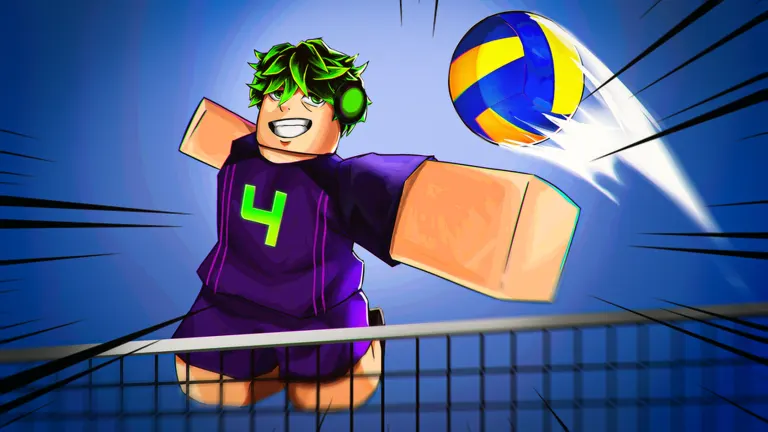
Hakka Stats Overview
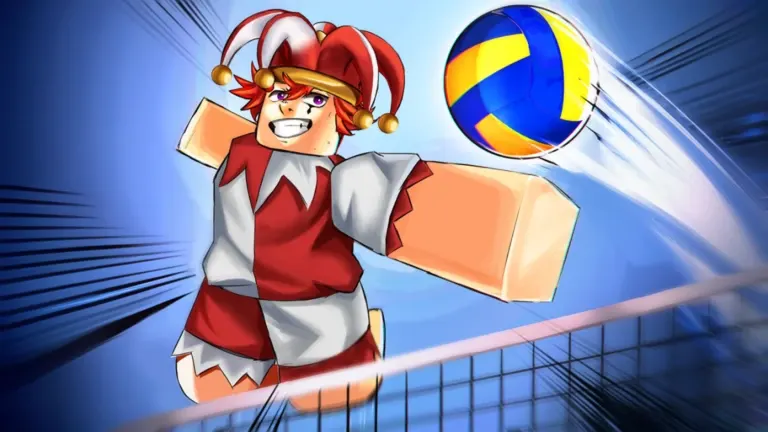
Hakka matters because it turns a setter into a playmaker who can create an extra attacking or blocking position. The volleyball legends hakka stats are especially strong for jump, setting, speed, and diving, while the Clone special can cover gaps that ordinary setters cannot.
Hakka is a limited Ultra setter style. Its regular kit is built around fast court movement and reliable ball control rather than raw personal spike power. That changes as mastery improves: the Clone can gain maximum block and spike stats, letting Hakka influence rallies from multiple angles.
The listed percentages are community estimates and have not been officially confirmed, so future balance updates may change them.
| Stat | Hakka base value | What it means in a match |
|---|---|---|
| Block | 20% | Weak personal blocking before Clone upgrades |
| Bump | 30% | Limited receiving compared with libero-focused styles |
| Dive | 60% | Useful recovery range for loose balls |
| Jump | 100% | Excellent vertical reach for jump sets and attacks |
| Serve | 65% | Respectable serving power, but not its defining strength |
| Set | Over 100% | Hakka’s standout stat for quick, high-quality setups |
| Speed | 85% | Fast repositioning around the court |
| Spike | 65% | Solid baseline offense, improved heavily through Clone mastery |
Hakka is best viewed as a flexible setter rather than a pure spiker. The exceptional set stat helps you create quick plays, while 100% jump makes jump sets and front-court movement more threatening. The 85% speed also makes it easier to reach a pass, set from a better location, and return to defensive coverage.
Its main weaknesses are clear. A 20% personal block stat means Hakka is not naturally strong at the net, and 30% bump means difficult receives can be demanding. Players should avoid treating it like a conventional blocker or libero. Instead, use positioning, teammates, and the Clone to compensate.
Clone Meter and Special Rules
Hakka’s Ultra Special is Clone. A meter at the bottom of the screen fills through routine defensive and setting actions. Once charged, the special becomes available automatically. You activate it by performing a side-tilted set in a direction that keeps the Clone on your side of the net.
The Clone appears at a fixed distance from the set location and faces the same direction as your character. That facing direction is important: if you want the Clone to spike toward the opponent’s court, line up your avatar before creating it. Shift lock can make this far more consistent for players who use it.
| Meter progress action | Required actions |
|---|---|
| Set the ball | 6 sets |
| Bump the ball | 6 bumps |
| Dive for the ball | 4 dives |
After spawning a Clone, you can use it to spike, set, or block. Advanced Controls can adjust the power of actions performed by the Clone, giving experienced players more options than a simple decoy. A fast Clone set can force defenders to hesitate between covering the original player, the Clone, and a teammate.
Clone touches do not count as separate team touches. They remain part of your player’s touch sequence, which creates unusual opportunities for extensions and quick attacks. Still, this does not mean every sequence is safe: watch the rally’s touch count and do not assume the Clone grants unlimited contacts.
There are several restrictions to learn before bringing Hakka into ranked matches:
- A Clone will not spawn if its fixed placement would cross the net.
- You cannot use normal abilities through the Clone.
- The Clone does not freely rotate after spawning, so initial aim matters.
- Clone serving has been limited by balance changes; do not rely on old serve tricks.
- If the Clone touches the ground during certain serve setups, it can result in a fault.
The safest way to practice is in an open court: charge the meter, set diagonally without crossing the net, then immediately test the Clone’s spike timing. Start with simple close-range plays before trying deceptive double-clone sequences.
Mastery Upgrades and Challenges
Hakka’s mastery is what changes the style from an elite setter into a broad all-rounder. The early upgrades make the special more available and improve defensive potential. Later upgrades turn the Clone into a serious attacking threat.
| Mastery level | Clone upgrade |
|---|---|
| Mastery 1 | Clone Meter charges 10% faster |
| Mastery 2 | Clone receives maximum block stat |
| Mastery 3 | No listed direct Clone stat upgrade |
| Mastery 4 | Clone receives maximum spike stat |
| Mastery 5 | Unlocks Double Clone functionality |
At Mastery 1, faster charging makes the style more consistent over a long match. The meter fills from plays Hakka already wants to make—sets, bumps, and dives—so active players naturally get more special opportunities.
Mastery 2 is a major defensive breakpoint. Hakka’s own block is low, but the Clone’s maximum block stat can create a temporary wall where opponents do not expect one. Place it with intention near likely attack lanes instead of spawning it simply because the meter is ready.
Mastery 4 is the offensive breakpoint. A maximum-spike Clone can convert a setting-focused style into a dangerous second attacker. Because the Clone appears facing your current direction, the strongest attacks come from setting with deliberate aim and immediately choosing a clean hitting angle.
At Mastery 5, Hakka can create a second Clone by setting again in another direction, provided the placement stays on your side. The second Clone appears exactly where that follow-up set lands. This makes Hakka especially deceptive in coordinated teams: one Clone can represent a spike threat while the next set goes to a teammate or another Clone position.
Mastery quests demand meaningful ranked and Clone use. Expect objectives such as aces, ranked wins, assists, bumps, ground sets, jump sets, Clone scores, and Clone spikes. The later requirements reward players who keep using the special within real rallies rather than treating it as a one-time trick.
How to Use Hakka Effectively
The best Hakka players win with uncertainty. Opponents should not know whether you will set a teammate, create a Clone attack, block with the Clone, or reset the rally with a safe ball. Repeating the same clone placement makes the special easy to read.
Use these priorities during a typical rally:
- Receive safely first; Hakka’s bump stat is not a reason to force difficult passes.
- Move into a strong setting position using the high speed and jump.
- Charge the Clone Meter through normal team play instead of chasing risky dives.
- Spawn the Clone only when its direction and placement create a real choice for defenders.
- Use Clone spikes after confirming that its facing direction points toward a viable lane.
- Save Double Clone sequences for moments when your team has space and control.
In 2v2, Hakka can work well with a dependable hitter. Your teammate becomes the expected attack, while the Clone becomes the surprise option. A simple jump set near the side of the net can make the opposing blocker decide between tracking your partner and preparing for the Clone.
In larger teams, Hakka’s value grows through coordination. Tell teammates when you are likely to use the Clone so they do not crowd its lane or waste a strong attacking chance. A Clone can also function as a distraction: defenders may shift toward it, opening a simpler set to a teammate.
Avoid overcommitting to Clone spikes when the set is awkward. Hakka’s base spike is respectable, but the style shines through control and misdirection. A clean ordinary set is usually better than a flashy Clone attempt that gives away possession.
FAQ
What are the volleyball legends hakka stats?
Hakka has 20% block, 30% bump, 60% dive, 100% jump, 65% serve, over 100% set, 85% speed, and 65% spike. These values are estimates and may change with balancing.
Is Hakka a setter or a spiker?
Hakka is primarily a setter. Its exceptional set stat, jump, and speed support playmaking, while Mastery 4 lets its Clone gain maximum spike potential.
How do I charge Hakka’s Clone Meter?
Charge it by setting six times, bumping six times, or diving four times. Mastery 1 makes the meter charge 10% faster.
Why does my Clone not appear?
The Clone will not spawn if its intended fixed position would be over the net. Make a side-tilted set that keeps the placement on your side.
Can Hakka create two Clones?
Yes. At Mastery 5, Hakka unlocks Double Clone, allowing a second set to create another Clone in a different valid direction.