Win More Rallies With Better Fundamentals
Good mechanics matter because one unstable receive can remove every attacking option your team has. The fastest way to improve is not chasing a flashy score on every touch; it is making each contact useful for the next player.
Volleyball Legends rewards awareness, timing, and teamwork as much as raw power. Start by treating every rally as a sequence: receive the ball safely, create a playable set, then attack the space the other team cannot cover.
Your role can change in a second. A spiker may need to receive first, a setter may need to defend, and a front-row player may need to cover a blocked ball. Players who react quickly and keep the ball controllable give their team more chances to score.
| Situation | Best priority | Why it helps |
|---|---|---|
| Opponent serves deep | Move early and make a controlled receive | A stable first touch gives your setter options |
| Opponent attacks near the net | Prepare a block or a close defensive touch | Fast attacks leave little time for a full retreat |
| Your setter receives first | Another teammate should take the next setup | The setter cannot immediately set after their first contact |
| Ball drops in open court | Save it before planning a perfect attack | Keeping the rally alive is the first objective |
A simple rally plan is easier to execute under pressure:
- Read the opponent’s hitter and move before the ball crosses the net.
- Receive toward a teammate instead of sending the ball straight back.
- Let the setter identify the attacker with the best approach.
- Cover your hitter after a spike in case the ball is blocked.
- Reset positions as soon as the point ends.
Do not assume that every opponent will spike. Setters can dump the ball or disguise their intention, especially near the net. Keep enough distance to react, and watch both the ball and the player preparing for the second touch.
Receive First, Block Selectively
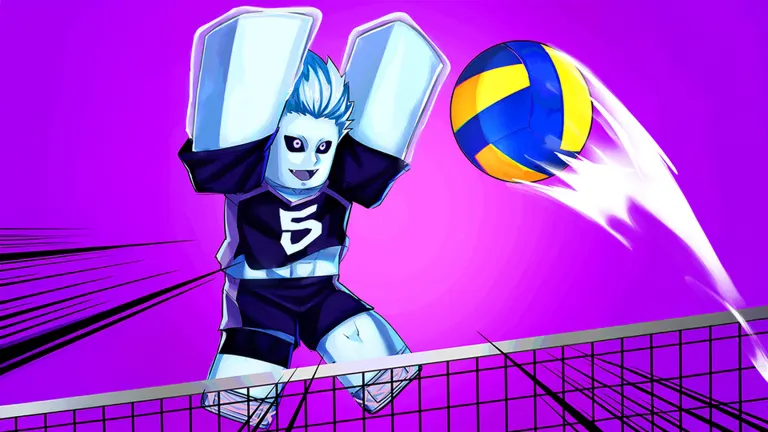
Receiving is usually safer than committing to a block. A block can win a point, but it also locks you into a jump and may leave open court behind you. If you are unsure whether you can meet the hitter cleanly, staying grounded for a controlled receive is often the stronger decision.
Positioning should reflect your style’s movement and your team’s formation. Faster players can cover more backcourt space, while slower players are often more useful closer to the net. Avoid standing still while the opponent builds an attack; adjust as the set develops.
| Defensive choice | Use it when | Main risk |
|---|---|---|
| Set or bump receive | You have room to meet the ball calmly | A poor angle can give the ball back immediately |
| Dive | The ball is too far for a normal touch | Recovery takes time and can leave you out of position |
| Block | The hitter is attacking close to the net | Mistiming creates open space behind you |
| Reverse block toward a teammate | A close-net spike is predictable and backup is ready | A soft or delayed block may let the ball through |
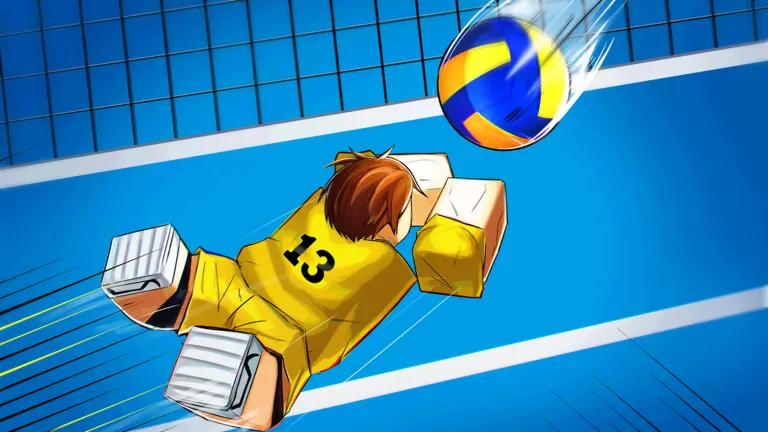
Use diving as an emergency option, not your default defense. A normal set or bump lets you recover faster and transition into offense. The exception is when a special style makes diving especially effective or when the ball would otherwise land untouched.
Advanced Mode can improve defensive control because it allows more deliberate power adjustment. A lower-power receive can stop the ball from drifting too far and preserve a better second touch. Practice releasing the input at the moment of contact, then directing the ball sideways toward your team rather than toward the opponents.
Camera distance also matters. Zooming out enough to see the hitter, setter, and empty court makes it easier to spot tips, dumps, and cross-court attacks. Do not zoom so far out that you lose track of the ball’s height.
Set and Spike With Purpose
Setting is about giving your hitter a ball they can use, not merely putting it near the net. Learn how each teammate approaches: some hitters want a faster, lower set, while others need extra height and time to line up an angle.
Face your intended hitter for a reliable, straightforward set. This is a strong beginner habit because it reduces unnecessary movement and makes the pass easier to repeat. However, repeated obvious sets become readable, so introduce variation once you are comfortable.
| Attacking tool | What it does | Best use |
|---|---|---|
| Directional spike | Sends the ball into a chosen lane | Target gaps between defenders |
| Late aim change or flick | Changes direction late in the motion | Punish defenders who pre-position early |
| Corner serve | Forces a difficult movement decision | Use after showing a safer central serve |
| Quick net dunk | Drops the ball close to the net | Use when defenders sit too deep |
| Controlled low-power touch | Shortens the ball’s travel | Create awkward tempo for the defense |
For spikes, timing comes before angle. If the game tells you that the contact is too low, you likely swung too early or too late. Wait until the ball is above the net and your position allows a clean downward path. Repeating the same jump and swing rhythm in practice is more valuable than trying to improvise every attack.
Avoid unnecessary gliding while learning basic spikes. Extra movement can make your timing inconsistent and send the ball out or into the net. Once your standard contact is dependable, add aim changes and tilt variations to become less predictable.
Use your angles with a purpose:
- Aim away from the defender who is already moving toward you.
- Hit the corner when the backcourt defender shades toward the middle.
- Use a short attack when both defenders are deep.
- Change direction late only if you can still contact the ball cleanly.
- Do not force a sharp angle from outside the court unless your style supports it.
Serving follows the same principle. Power is useful, but placement creates pressure. A serve to a corner can cause hesitation between defenders, while varying the direction prevents opponents from setting up early. Practice advanced serving techniques only after you can consistently keep normal serves in play.
Improve Faster Through Practice and Team Reads
Practice mode is the best place to isolate one skill at a time. Work with a friend if possible: have them send repeated balls to the same area, then gradually add different heights, angles, and speeds. This builds reliable reactions without the chaos of a ranked match.
A productive practice session does not need to be long. Choose one measurable goal, such as landing ten controlled receives in a row or setting a teammate from three different court positions. When that feels comfortable, add a realistic decision, such as choosing between a set and an immediate attack.
Style choice should support how you actually play. Rare styles can be powerful, but repeatedly spinning away a strong style for a rarer one is risky. Learn the strengths and weaknesses of your current style before deciding it cannot work for you.
Attack-focused players may prefer a style that supports strong spikes, setters may value precise ball control, and service-oriented players may look for tools that pressure receivers. No style replaces court awareness. A coordinated team using familiar styles can outperform players who have powerful options but poor spacing.
In ranked games, identify the opposing lineup early. Notice who receives, who usually sets, and who attacks after the set. If a key setter is forced to take the first touch, their team may lose its preferred offensive sequence. Likewise, protect your own setter by taking the receive when you are the designated hitter.
Improvement comes faster when you review the point before blaming a teammate. Ask whether you were late to position, chose a risky block, set the wrong tempo, or attacked into a defender who was waiting. Small corrections turn into reliable habits.
FAQ: Volleyball Legends Tips
What are the most important Volleyball Legends tips for beginners?
Prioritize receiving, positioning, and simple sets before advanced attacks. Keep the ball playable, communicate through your movement, and avoid diving or blocking unless the situation truly requires it.
Why does my spike say “too low”?
Your contact timing is off. Try hitting when the ball is above the net and you have reached the top of your jump. Practice a consistent approach instead of adding extra movement before contact.
Should I block or receive an incoming spike?
Receive when you are uncertain or need to protect open court. Block when the hitter is close to the net, the attack is predictable, and a teammate can cover behind you.
How can I become a better setter?
Learn each hitter’s preferred tempo, face them for dependable sets, and use practice mode to repeat common situations. Once your accuracy is reliable, vary your timing and direction to make your offense harder to read.
Are powerful styles necessary to rank up?
No. A style that fits your role helps, but strong receiving, smart positioning, and teamwork decide many more points than rarity alone.